Home Cardiology Atrial FIbrillation

Atrial FIbrillation

Summary Key Points

🔑
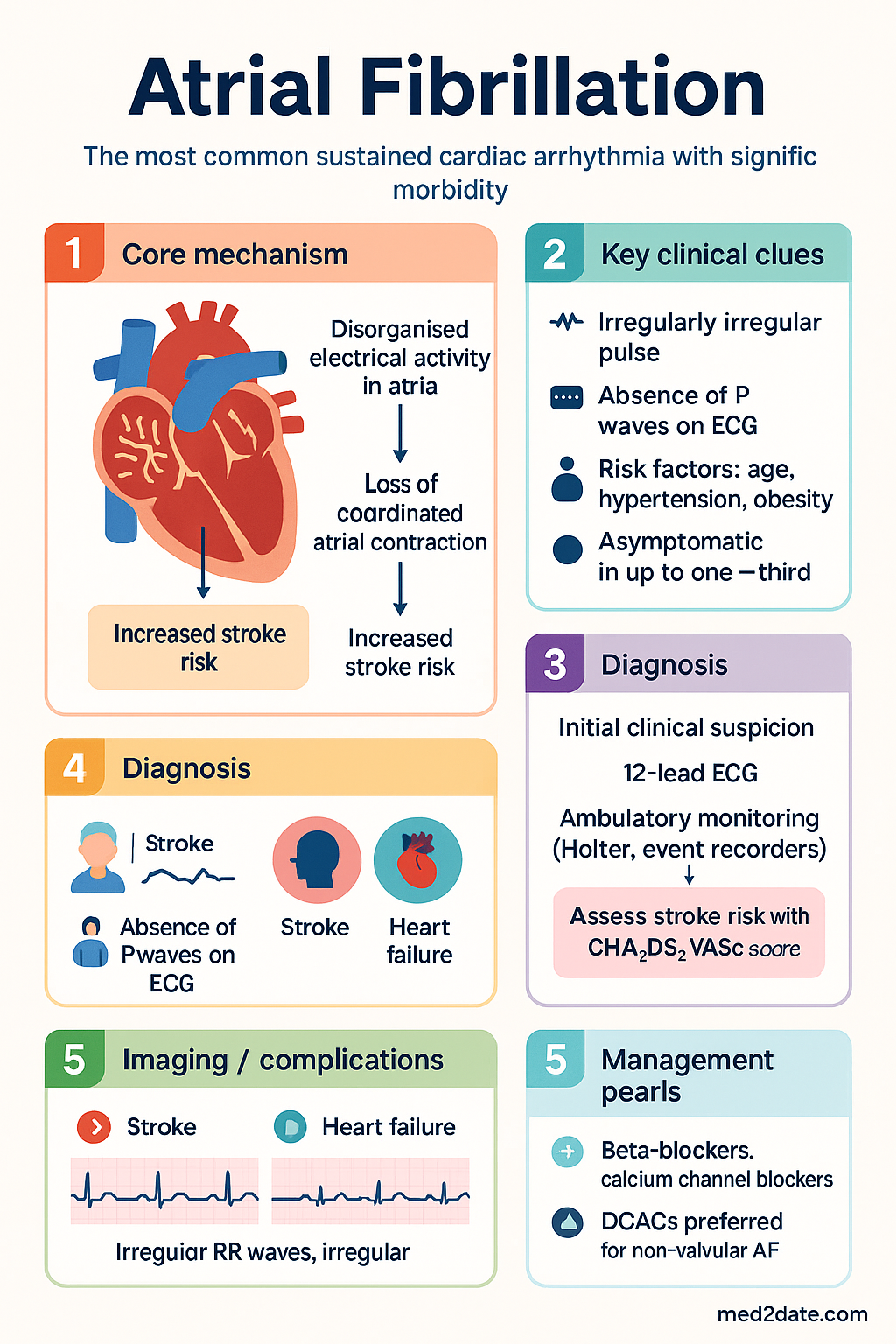
Clinical Focus: Atrial fibrillation (AF) is the most common sustained cardiac arrhythmia, affecting 2.5% of the Australian population and increasing cardiovascular morbidity and mortality. Early recognition, appropriate anticoagulation, and rate/rhythm control are essential for optimal patient outcomes.
1
Diagnosis & Classification
Confirm AF on 12-lead ECG or rhythm strip. Classify as paroxysmal, persistent, or permanent. Identify underlying causes and assess for structural heart disease.
2
Stroke Risk Assessment
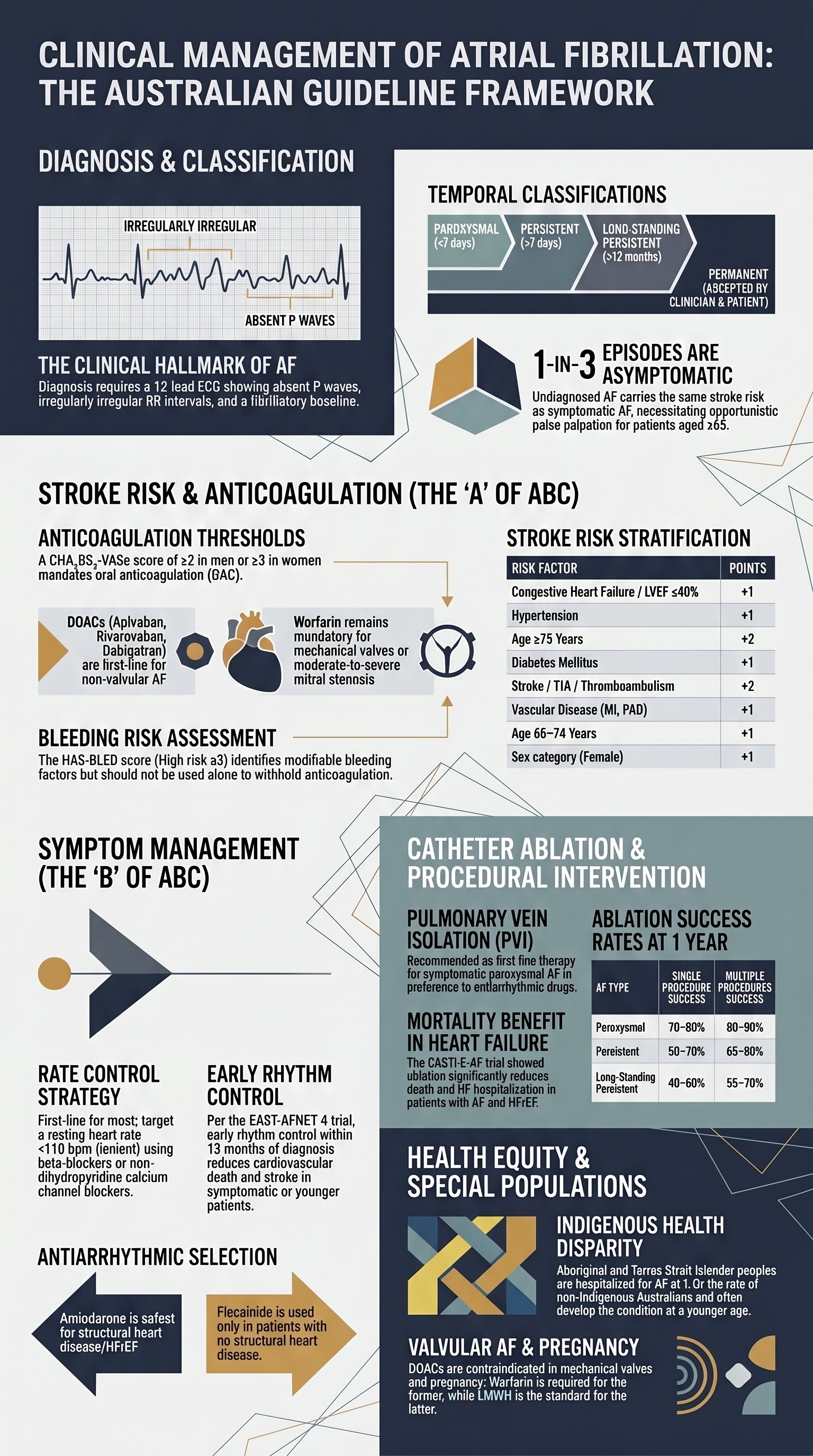
Calculate CHA₂DS₂-VASc score for all patients. Offer anticoagulation for score ≥2 in males or ≥3 in females. Consider HAS-BLED score for bleeding risk assessment.
3
Rate vs Rhythm Control
Rate control (target <110 bpm at rest) is first-line for most patients. Consider rhythm control for symptomatic patients, younger patients, or first episode AF.
4
Anticoagulation Selection
Direct oral anticoagulants (DOACs) are preferred over warfarin for most patients. Consider warfarin for severe mitral stenosis or mechanical heart valves.
Asymptomatic/Mild
Rate Control Strategy
Beta-blockers or non-dihydropyridine CCBs first-line. Target HR <110 bpm at rest. Focus on anticoagulation and cardiovascular risk factor modification.
Outpatient management
Symptomatic
Rhythm Control Option
Consider cardioversion (electrical or pharmacological) and antiarrhythmic drugs. Flecainide or sotalol for structurally normal hearts. Amiodarone for structural heart disease.
Cardiology consultation
Haemodynamically Unstable
Emergency Management
Immediate DC cardioversion. IV rate control if stable. Emergency anticoagulation assessment. Treat precipitating factors (sepsis, hyperthyroidism, alcohol).
Hospital admission required
⚠️
PBS Considerations: DOACs are PBS-listed for AF with CHA₂DS₂-VASc score ≥2 (males) or ≥3 (females). Warfarin monitoring is covered under Medicare. Consider cost implications for patients without concession cards.
First-line Rate Control
Metoprolol 25-100mg BD or Diltiazem 60-120mg BD
Ongoing
Target HR <110 bpm rest
Anticoagulation (CHA₂DS₂-VASc ≥2♂/≥3♀)
Apixaban 5mg BD or Rivaroxaban 20mg daily
Long-term
DOACs preferred over warfarin
Rhythm Control (structurally normal heart)
Flecainide 100-150mg BD
Ongoing with cardiology
Avoid in CAD/LV dysfunction
ATSI Health Focus: Higher prevalence of AF risk factors in Aboriginal and Torres Strait Islander communities including rheumatic heart disease, diabetes, and hypertension. Consider cultural preferences for medication adherence and ensure appropriate follow-up arrangements in remote areas.

Introduction & Australian Epidemiology

Atrial fibrillation (AF) is the most common sustained cardiac arrhythmia encountered in Australian clinical practice, characterised by chaotic, irregular atrial electrical activity resulting in ineffective atrial contraction and irregular ventricular response. This comprehensive guideline provides evidence-based management strategies tailored to the Australian healthcare context, incorporating recommendations from the National Heart Foundation of Australia, Cardiac Society of Australia and New Zealand (CSANZ), and international guidelines adapted for local practice patterns.

ℹ️
Clinical Impact: AF is associated with a 5-fold increased risk of stroke, 3-fold increased risk of heart failure, and significantly increased cardiovascular mortality, making early recognition and appropriate management critical for patient outcomes.

Australian Epidemiology

Prevalence & Demographics
  • Overall prevalence: Approximately 2.5% of Australian adults (≈500,000 people)
  • Age-related increase: <5% at age 65-69 years, rising to >15% at age >85 years
  • Gender distribution: Slightly higher prevalence in males (2.7%) compared to females (2.3%)
  • Projected growth: Expected to reach 750,000 Australians by 2030 due to population aging
Healthcare Burden
  • Hospitalisations: >60,000 AF-related admissions annually
  • Healthcare costs: Estimated $1.2 billion annually in direct costs
  • Emergency presentations: AF accounts for 15-20% of cardiology emergency consultations
  • Stroke burden: AF-related strokes represent 20-25% of all ischaemic strokes

Australian-Specific Considerations

🏥
Rural & Remote Access: Limited specialist cardiology services in rural areas necessitate robust general practice management pathways and telehealth integration for AF care.
  • Geographic disparities: Higher AF mortality rates in remote areas (1.5x urban rates) due to delayed diagnosis and limited specialist access
  • Aboriginal and Torres Strait Islander populations: Earlier onset AF (average 10-15 years younger) with higher rates of rheumatic heart disease as underlying cause
  • Multicultural considerations: Varying stroke risk profiles in different ethnic groups, with higher rates in Pacific Islander and Mediterranean populations
  • Medication access: PBS-subsidised direct oral anticoagulants (DOACs) have improved treatment accessibility compared to warfarin monitoring requirements

Classification Systems

First Diagnosed
Initial Presentation
First documented episode of AF, regardless of duration or symptoms
Primary care, ED, specialist
Paroxysmal
Self-Terminating
Episodes that terminate spontaneously or with intervention within 7 days
Outpatient management
Persistent
Sustained Episodes
Episodes lasting >7 days or requiring electrical/pharmacological cardioversion
Specialist consultation
Permanent
Accepted AF
Long-standing AF where rhythm control abandoned, focus on rate control
Chronic disease management

Quality & Safety Standards

This guideline aligns with NSQHS Standard 1 (Clinical Governance) and Standard 6 (Clinical Handover) requirements for AF management, ensuring consistent, evidence-based care across Australian healthcare settings. Integration with My Health Record facilitates care coordination between primary care, emergency departments, and specialist services.

🎯
Quality Indicators: Target outcomes include stroke prevention (85% appropriate anticoagulation), symptom management (80% rate control <100 bpm), and care coordination (100% discharge summaries including AF management plan).

Pathophysiology

Atrial fibrillation represents the most common sustained cardiac arrhythmia, characterised by disorganised electrical activity within the atria leading to irregular ventricular response and loss of effective atrial contraction.

Electrophysiological Mechanisms

Trigger Mechanisms
  • Pulmonary vein automaticity: Ectopic foci in pulmonary vein sleeves initiate AF episodes
  • Superior vena cava triggers: Secondary ectopic sites in venous structures
  • Left atrial posterior wall: Non-pulmonary vein triggers in structurally abnormal atria
  • Coronary sinus: Triggers associated with increased vagal tone
Substrate Mechanisms
  • Multiple wavelet hypothesis: Self-perpetuating wavelets of electrical activity
  • Rotor mechanisms: Organised spiral waves driving fibrillatory conduction
  • Focal driver mechanisms: High-frequency periodic sources maintaining AF
  • Atrial remodelling: Progressive structural and electrical changes

Atrial Remodelling Process

Acute Phase (Minutes-Hours)
Electrical Remodelling: Shortened atrial effective refractory period, reduced L-type calcium current, altered ion channel expression promoting AF maintenance.
Subacute Phase (Days-Weeks)
Calcium Handling Changes: Sarcoplasmic reticulum dysfunction, spontaneous calcium release events, triggered activity from delayed afterdepolarisations.
Chronic Phase (Months-Years)
Structural Remodelling: Atrial fibrosis, connexin downregulation, conduction heterogeneity, progressive atrial enlargement creating self-sustaining substrate.
ℹ️
AF Begets AF: The fundamental concept that atrial fibrillation creates the electrophysiological and structural conditions that promote its own perpetuation and progression from paroxysmal to persistent forms.

Underlying Pathological Processes

Structural
Atrial Myopathy
• Myocyte hypertrophy and dedifferentiation
• Interstitial fibrosis and collagen deposition
• Connexin-40/43 downregulation
• Mitochondrial dysfunction
Inflammatory
Immune Activation
• Elevated C-reactive protein and IL-6
• Complement activation pathways
• Macrophage infiltration
• Oxidative stress mechanisms
Metabolic
Energy Dysregulation
• Altered fatty acid metabolism
• Glycolytic pathway dysfunction
• ATP depletion and energetic stress
• Calcium-calmodulin kinase II activation

Risk Factor Categories

Category Risk Factors Pathophysiological Mechanism Australian Prevalence
Cardiovascular Hypertension, CAD, heart failure, valvular disease Increased atrial pressure, volume overload, structural remodelling 75-80% of AF patients
Metabolic Diabetes, obesity, metabolic syndrome Inflammation, autonomic dysfunction, atrial fibrosis 40-50% of AF patients
Lifestyle Alcohol excess, sleep apnoea, physical inactivity Autonomic imbalance, hypoxemia, triggered activity 30-40% of AF patients
Genetic Family history, inherited cardiomyopathies Ion channel mutations, structural protein variants 15-30% heritability

Hemodynamic Consequences

1
Loss of Atrial Kick
Absence of coordinated atrial contraction reduces ventricular filling by 15-20%, particularly affecting diastolic dysfunction patients.
2
Irregular Ventricular Response
Beat-to-beat variability in RR intervals leads to variable stroke volumes and reduced cardiac output efficiency.
3
Rapid Ventricular Rates
Uncontrolled ventricular response >110 bpm can precipitate tachycardia-mediated cardiomyopathy over weeks to months.
4
Thrombogenic State
Atrial stasis, endothelial dysfunction, and hypercoagulability create Virchow's triad for thromboembolism.
⚠️
Thromboembolism Risk: Left atrial appendage thrombus formation occurs within 48-72 hours of AF onset due to blood stasis and altered coagulation profile. Risk persists even during periods of sinus rhythm in paroxysmal AF.

Australian-Specific Pathophysiological Considerations

  • ATSI populations: Higher prevalence of rheumatic heart disease and associated AF, requiring consideration of valvular pathophysiology
  • Rural/remote factors: Environmental heat stress, limited access to rate control, and delayed recognition may accelerate remodelling
  • Tropical medicine: Infectious diseases (dengue, Ross River virus) can trigger inflammatory AF through cytokine-mediated mechanisms
  • Lifestyle factors: Australian drinking patterns and binge alcohol consumption particularly relevant for holiday heart syndrome
  • Genetic diversity: Population admixture requires consideration of ethnicity-specific AF genetic risk variants in risk stratification
Clinical Correlation: Understanding AF pathophysiology informs treatment selection - early intervention targets triggers and substrate modification, while established persistent AF requires acceptance of rhythm control limitations and focus on rate control and anticoagulation.

Clinical Presentation & Diagnostic Criteria

ℹ️
Key Point: Atrial fibrillation may be asymptomatic in up to 30% of patients, particularly elderly individuals. Screening with pulse palpation and ECG is essential in at-risk populations.

Clinical Presentation

Symptomatic Presentations

  • Palpitations: Most common symptom (60-70% of patients) - described as irregular, rapid, or "fluttering" heartbeat
  • Fatigue and Exercise Intolerance: Due to reduced cardiac output and irregular ventricular filling
  • Dyspnoea: On exertion or at rest, may progress to orthopnoea and paroxysmal nocturnal dyspnoea
  • Chest Discomfort: Atypical chest pain or pressure sensation
  • Dizziness or Presyncope: Particularly with rapid ventricular rates or underlying structural heart disease
  • Syncope: Less common, may suggest underlying conduction disease or haemodynamic compromise

Asymptomatic Presentations

  • Incidental Finding: Discovered during routine examination, ECG, or monitoring
  • Silent AF: More common in elderly patients and those with diabetes
  • Stroke as First Presentation: Cardioembolic stroke may be the first manifestation of undiagnosed AF

Emergency Presentations

🚨
Emergency Presentations: AF with haemodynamic instability, acute heart failure, or acute coronary syndrome requires immediate evaluation and management.
  • AF with Rapid Ventricular Response: Heart rate >150 bpm with haemodynamic compromise
  • Acute Heart Failure: New onset or decompensation of existing heart failure
  • Acute Coronary Syndrome: AF may precipitate or complicate ACS
  • Cardioembolic Stroke or TIA: Neurological symptoms requiring urgent assessment
  • Haemodynamic Instability: Hypotension, altered consciousness, or signs of shock

Physical Examination Findings

Cardiovascular Signs

  • Irregularly Irregular Pulse: Pathognomonic finding - completely irregular rhythm without pattern
  • Pulse Deficit: Difference between apical and radial pulse rates due to non-conducted beats
  • Variable Intensity S1: Due to varying ventricular filling time
  • Absence of A-waves: In jugular venous pressure tracing
  • Variable Blood Pressure: Beat-to-beat variation in systolic pressure

Signs of Heart Failure

  • Pulmonary: Bilateral crepitations, pleural effusion
  • Peripheral: Peripheral oedema, elevated JVP, hepatomegaly
  • Cardiac: S3 gallop, displaced apex beat, murmurs indicating valvular disease

Associated Conditions

  • Thyrotoxicosis: Tachycardia, tremor, weight loss, ophthalmopathy
  • Mitral Valve Disease: Systolic or diastolic murmurs
  • Hypertension: Elevated blood pressure, retinopathy
  • Sleep Apnoea: Obesity, large neck circumference, daytime somnolence

Diagnostic Criteria

Definitive Diagnosis: Atrial fibrillation is confirmed by 12-lead ECG showing characteristic findings for ≥30 seconds duration.

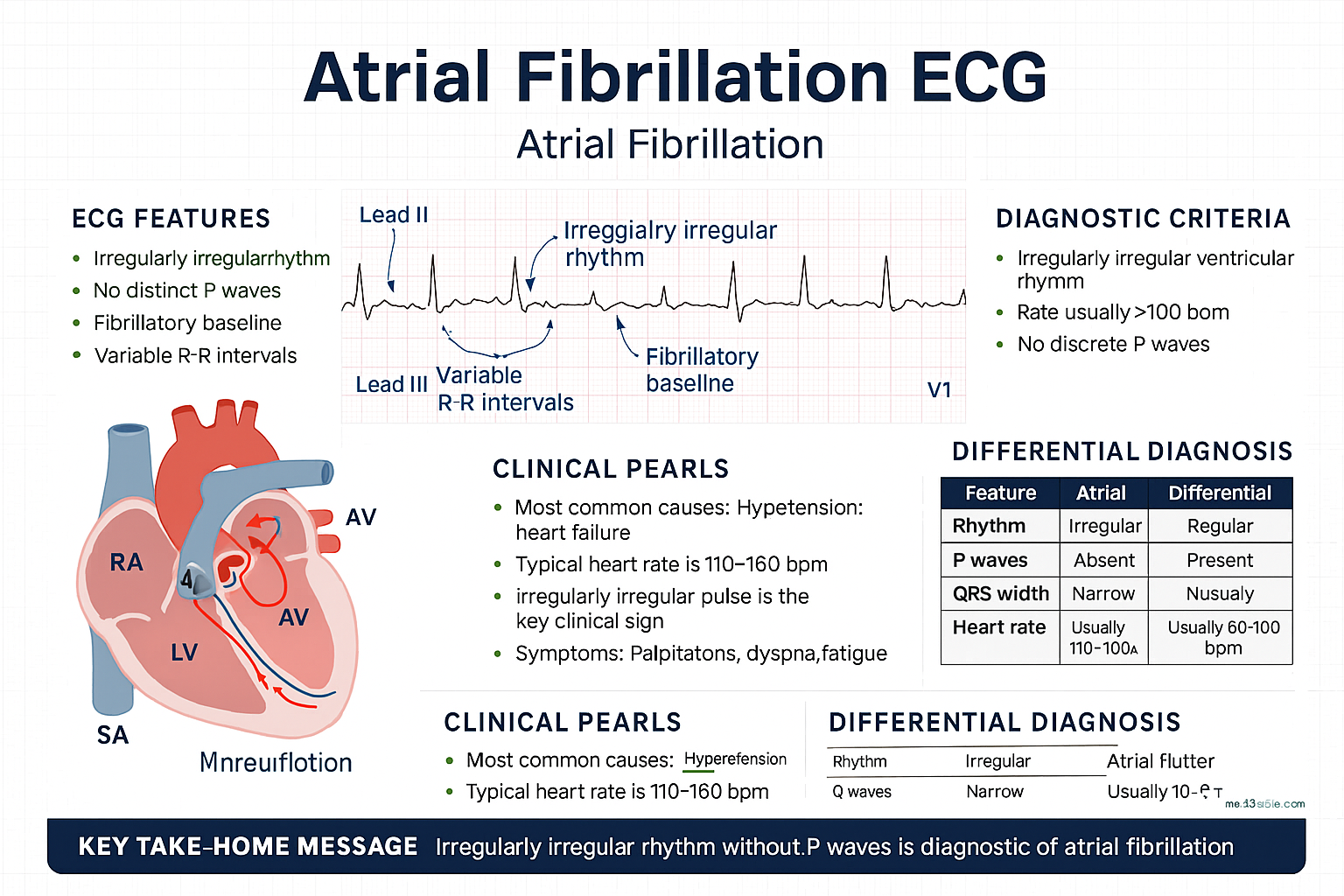
ECG Criteria for Atrial Fibrillation

  • Absent P-waves: Replaced by fibrillatory waves (f-waves)
  • Irregularly Irregular RR Intervals: No discernible pattern to ventricular response
  • Fibrillatory Waves: Irregular oscillations at 300-600 bpm, best seen in leads V1, II, III, aVF
  • Variable Ventricular Rate: Typically 100-180 bpm if untreated
  • QRS Morphology: Usually narrow unless aberrant conduction or pre-existing bundle branch block

Classification by Temporal Pattern

Paroxysmal
Self-terminating
Episodes lasting <7 days (usually <48 hours), terminate spontaneously
Persistent
Sustained >7 days
Episodes lasting >7 days or requiring cardioversion
Permanent
Accepted chronic AF
Rhythm control abandoned, rate control strategy adopted

Additional Classification Terms

  • First Diagnosed: First detection regardless of duration or symptoms
  • Long-standing Persistent: Continuous AF for >12 months
  • Lone AF: AF in patients <65 years without structural heart disease (term increasingly discouraged)
  • Valvular AF: AF in presence of rheumatic mitral stenosis or mechanical heart valves
  • Non-valvular AF: All other forms of AF

Differential Diagnosis

Condition Key Distinguishing Features ECG Findings
Atrial Flutter Regular rhythm, sawtooth pattern Flutter waves at 300 bpm, regular ventricular response (often 150 bpm)
Multifocal Atrial Tachycardia Irregular rhythm with visible P-waves ≥3 different P-wave morphologies, irregular PR intervals
Sinus Tachycardia with APCs Predominantly regular with occasional irregularity Normal P-waves with intermittent premature beats
Sinus Arrhythmia Respiratory variation, regular P-waves Normal P-wave morphology, gradual RR variation
Artefact Patient movement, loose electrodes Baseline wandering, may obscure normal rhythm
⚠️
Clinical Consideration: In patients with rapid, irregular narrow complex tachycardia, consider AF with pre-excitation (WPW syndrome) - avoid AV nodal blocking agents as they may precipitate ventricular fibrillation.

Special Presentations

Post-operative AF

  • Incidence: 20-40% after cardiac surgery, 10-15% after non-cardiac surgery
  • Timing: Usually occurs 2-4 days post-operatively
  • Risk Factors: Advanced age, history of AF, valvular surgery, perioperative hypoxia, electrolyte imbalance
  • Prognosis: Often self-limiting but may increase stroke risk and hospital length of stay

Holiday Heart Syndrome

  • Definition: AF triggered by acute alcohol consumption in otherwise healthy individuals
  • Mechanism: Alcohol-induced electrolyte abnormalities and autonomic dysfunction
  • Management: Usually self-resolves with alcohol cessation and electrolyte correction
  • Recurrence Risk: Low if alcohol consumption is modified

AF in Young Athletes

  • Prevalence: Lower than general population but may be underdiagnosed
  • Triggers: Intense endurance training, autonomic imbalance, atrial remodelling
  • Evaluation: Requires comprehensive cardiac assessment including echocardiography
  • Return to Play: Individualised decision based on underlying pathology and symptom control

Risk Stratification / Severity Scoring

ℹ️
Key Principle: Risk stratification in AF focuses on stroke/thromboembolism risk (CHA₂DS₂-VASc) and bleeding risk (HAS-BLED) to guide anticoagulation decisions and rhythm vs rate control strategies.

CHA₂DS₂-VASc Score for Stroke Risk

The primary tool for assessing thromboembolic risk in patients with AF. Used to determine anticoagulation therapy recommendations.

Risk Factor Points Definition
Congestive heart failure 1 Clinical heart failure or LVEF ≤40%
Hypertension 1 BP >140/90 mmHg or on antihypertensive therapy
Age ≥75 years 2 Age 75 years or older
Diabetes mellitus 1 Fasting glucose >7 mmol/L or on hypoglycaemic therapy
Stroke/TIA/thromboembolism 2 Previous stroke, TIA, or systemic embolism
Vascular disease 1 MI, PAD, or aortic atherosclerosis
Age 65-74 years 1 Age 65-74 years
Sex category (female) 1 Female gender (if other risk factors present)

CHA₂DS₂-VASc Risk Categories & Annual Stroke Risk

LOW RISK
Score 0 (males) or 1 (females)
Annual stroke risk: 0-1%
Management: No anticoagulation recommended. Consider aspirin 75-100mg daily or no antithrombotic therapy.
MODERATE RISK
Score 1 (males) or 2 (females)
Annual stroke risk: 1-2%
Management: Consider oral anticoagulation. Shared decision-making regarding benefits vs bleeding risk.
HIGH RISK
Score ≥2 (males) or ≥3 (females)
Annual stroke risk: ≥2%
Management: Oral anticoagulation recommended unless contraindicated. DOAC preferred over warfarin.

HAS-BLED Score for Bleeding Risk

Used to assess bleeding risk in patients being considered for anticoagulation. Score ≥3 indicates high bleeding risk requiring careful monitoring.

Risk Factor Points Definition
Hypertension 1 Uncontrolled BP >160 mmHg systolic
Abnormal renal function 1 Creatinine >200 μmol/L, dialysis, or transplant
Abnormal liver function 1 Chronic hepatic disease or bilirubin >2x ULN + AST/ALT >3x ULN
Stroke 1 Previous stroke (especially haemorrhagic)
Bleeding 1 Previous major bleeding or predisposition
Labile INRs 1 Unstable/high INRs or TTR <60% (if on warfarin)
Elderly 1 Age >65 years
Drugs/alcohol 1 Antiplatelet agents, NSAIDs, or >8 drinks/week
⚠️
Important: HAS-BLED ≥3 does not contraindicate anticoagulation but indicates need for closer monitoring and addressing modifiable bleeding risk factors.

Additional Risk Stratification Considerations

Heart Failure Classification in AF

NYHA Class Assessment
  • Class I: No symptoms, normal activity
  • Class II: Mild symptoms with ordinary activity
  • Class III: Marked limitation, comfortable at rest
  • Class IV: Unable to perform any activity without symptoms
Impact on AF Management
  • NYHA III-IV: Consider rhythm control strategy
  • Preserved LVEF with symptoms: AF-related cardiomyopathy
  • Reduced LVEF: Prefer ACE-I/ARB + beta-blockers

Age-Based Risk Considerations

1
Age <65 years
Evaluate for structural heart disease, hyperthyroidism. Consider rhythm control if symptomatic.
2
Age 65-75 years
Intermediate risk group. CHA₂DS₂-VASc guides anticoagulation. Balance rhythm vs rate control.
3
Age >75 years
High stroke risk (2 points). Anticoagulation usually indicated unless high bleeding risk.

Clinical Decision-Making Algorithm

Step 1
Calculate CHA₂DS₂-VASc score
Determine baseline stroke risk
Step 2
Calculate HAS-BLED score
Assess bleeding risk if anticoagulation considered
Step 3
Evaluate symptoms & functional status
EHRA symptom scale, quality of life impact
Step 4
Assess comorbidities
Heart failure, coronary disease, valvular disease
Step 5
Shared decision-making
Discuss risks, benefits, patient preferences
Key Message: Risk stratification should be regularly reassessed as patient factors change over time. The net clinical benefit of anticoagulation generally favours treatment in most patients with AF and CHA₂DS₂-VASc ≥1 (males) or ≥2 (females).

Investigations

Comprehensive investigation of atrial fibrillation aims to confirm the diagnosis, identify underlying causes, assess thromboembolic risk, and guide management decisions. The extent of investigations varies based on clinical presentation and suspected aetiology.

Essential Initial Investigations

  • Essential
    12-Lead ECG
    Confirms AF diagnosis, assesses ventricular rate, identifies concurrent arrhythmias or conduction abnormalities. May show atrial flutter, multifocal atrial tachycardia, or other arrhythmias.
  • Essential
    Full Blood Count
    Detects anaemia (potential precipitant), leucocytosis (infection/inflammation), thrombocytopenia (bleeding risk assessment).
  • Essential
    Electrolytes (Na⁺, K⁺, Mg²⁺)
    Hypokalaemia, hypomagnesaemia can precipitate AF. Essential for medication dosing and safety.
  • Essential
    Renal Function (eGFR, Creatinine)
    Required for CHA₂DS₂-VASc scoring, anticoagulant dosing, and monitoring of cardiovascular medications.
  • Essential
    Thyroid Function (TSH, fT4, fT3)
    Hyperthyroidism is a reversible cause of AF. Even subclinical hyperthyroidism can trigger AF in susceptible individuals.
  • Essential
    Transthoracic Echocardiogram
    Assesses left atrial size, left ventricular function, valvular disease, structural heart disease. Guides rhythm vs rate control strategy.

Additional Investigations Based on Clinical Context

  • Available
    Liver Function Tests
    Required if considering amiodarone therapy, assessing alcohol-related cardiomyopathy, or baseline for warfarin monitoring.
  • Available
    Coagulation Studies (PT/INR, aPTT)
    Baseline coagulation assessment, especially if urgent anticoagulation required or bleeding history present.
  • Available
    D-dimer
    May be elevated in AF but not specific. Consider if pulmonary embolism suspected as precipitant.
  • Available
    BNP/NT-proBNP
    Elevated in heart failure, correlates with left atrial pressure. Useful for prognosis and monitoring treatment response.
  • Available
    Troponin I/T
    Consider if acute coronary syndrome suspected as precipitant of AF, or if chest pain present.
  • Available
    Holter Monitor (24-48 hours)
    Documents arrhythmia burden, heart rate variability, identifies paroxysmal episodes. Available through most hospitals and cardiologists.
  • Available
    Event Monitor/Loop Recorder
    For intermittent symptoms suspicious of paroxysmal AF. Extended monitoring up to 30 days available through cardiology services.
  • Available
    Chest X-ray
    Assesses cardiac size, pulmonary oedema, identifies pneumonia or other pulmonary causes.

Specialised Cardiac Investigations

  • Referral Required
    Transoesophageal Echocardiogram (TOE)
    Superior assessment of left atrial thrombus, mitral valve disease, atrial septal defects. Required before cardioversion if AF >48 hours duration without adequate anticoagulation.
  • Specialist
    Electrophysiology Study
    Reserved for complex cases, pre-ablation assessment, or when multiple arrhythmias suspected. Available in tertiary centres.
  • Specialist
    Cardiac MRI
    Detailed assessment of atrial anatomy, fibrosis, cardiomyopathy when echocardiography inadequate. Available in major centres.
  • Referral Required
    Exercise Stress Test
    Assesses rate control adequacy during exertion, excludes exercise-induced arrhythmias, evaluates for ischaemic heart disease.
  • Specialist
    CT Coronary Angiography
    Non-invasive coronary assessment if ischaemic heart disease suspected. Consider before rhythm control strategy in selected patients.
  • Specialist
    Invasive Coronary Angiography
    Consider if high suspicion of significant coronary artery disease or if AF associated with acute coronary syndrome.
ℹ️
Investigation Strategy: Tailor investigations to clinical presentation. New-onset AF requires more extensive investigation than chronic, stable AF. Consider age, comorbidities, and treatment goals when selecting investigations.

Investigation Timing and Clinical Scenarios

Acute/New-Onset AF

Immediate (ED/Acute setting):

  • 12-lead ECG
  • Point-of-care electrolytes
  • Troponin if chest pain
  • Chest X-ray if dyspnoeic

Within 24 hours:

  • Full blood count
  • Comprehensive metabolic panel
  • Thyroid function
  • Echocardiogram

Chronic/Stable AF

Annual Review:

  • Renal function (for anticoagulant dosing)
  • Liver function (if on amiodarone)
  • Thyroid function (especially if on amiodarone)

Symptom Change:

  • Repeat echocardiogram if heart failure symptoms
  • Holter monitor if palpitations increase
  • Exercise test if rate control inadequate
⚠️
Australian Healthcare Access: TOE and specialised cardiac investigations may have waiting lists in public system. Private cardiology consultation can expedite access for urgent cases. Consider patient's clinical urgency and PBS eligibility for investigations.

Investigation Results Interpretation

Investigation Key Findings Clinical Implications
Left Atrial Size >40mm Increased thromboemobolic risk Higher anticoagulation threshold, reduced cardioversion success
LVEF <40% Heart failure with reduced EF Rate control preferred, avoid Class IC antiarrhythmics
TSH <0.1 mU/L Hyperthyroidism Treat thyroid disease, AF may resolve
eGFR <30 mL/min/1.73m² Severe renal impairment Adjust anticoagulant doses, avoid renally cleared drugs
Significant valvular disease Structural heart disease May require surgical intervention, affects anticoagulation choice

Acute Management

🚨
Haemodynamically Unstable AF: Immediate synchronized DC cardioversion (120-200J biphasic) under sedation. Do not delay for anticoagulation.

Initial Assessment & Stabilisation

1
Immediate Assessment
Check pulse, BP, consciousness, signs of heart failure. 12-lead ECG to confirm AF.
2
Haemodynamic Status
Unstable: chest pain, dyspnoea, altered consciousness, SBP <90 mmHg, signs of shock.
3
Precipitating Factors
Identify and treat: infection, dehydration, electrolyte disturbance, thyrotoxicosis, alcohol.

Rate vs Rhythm Control Strategy

ℹ️
Rate Control preferred: Age >65 years, minimal symptoms, permanent AF, significant comorbidities. Rhythm Control preferred: Age <65 years, symptomatic, recent onset (<48 hours), paroxysmal AF, heart failure.

Immediate Rate Control

💉
Metoprolol
Betaloc® · Beta-blocker · First-line
Adult Dose 25-50 mg BD (oral) or 1-2 mg IV q2min (max 15mg)
Route Oral preferred, IV if urgent
Onset 30-60 min (oral), 5 min (IV)
Target HR 60-100 bpm at rest, <110 bpm with exertion
Contraindications Severe heart failure, hypotension, bradycardia
PBS Status ✓ PBS General Benefit
💉
Diltiazem
Cardizem® · Calcium channel blocker · Alternative
Adult Dose 0.25 mg/kg IV over 2 min, then infusion 5-15 mg/hr
Oral 60-120 mg BD (immediate release)
Route IV for acute, oral for maintenance
Onset 2-7 min (IV), 30-60 min (oral)
Advantages Safe in COPD, no negative inotrope if EF normal
PBS Status ✓ PBS General Benefit
💊
Digoxin
Lanoxin® · Cardiac glycoside · Heart failure
Loading 8-12 mcg/kg IV over 30 min (or 500 mcg)
Maintenance 125-250 mcg daily oral
Indications Heart failure + AF, sedentary patients
Onset 30-120 min (IV), 6-8 hours (oral)
Renal Adj. Reduce dose by 50% if CrCl <50 ml/min
PBS Status ✓ PBS General Benefit

Emergency Cardioversion

⚠️
Anticoagulation Required: If AF duration >48 hours or unknown, therapeutic anticoagulation for 3 weeks before cardioversion OR TOE to exclude LA thrombus.
Electrical Cardioversion
  • Synchronised DC shock under procedural sedation
  • Initial: 120-200J (biphasic) or 200J (monophasic)
  • If unsuccessful: 200J, then 360J
  • Success rate: 90-95% for acute AF
  • Pre-medication: midazolam 1-2 mg IV + fentanyl 50-100 mcg
Chemical Cardioversion
  • Only if AF onset <48 hours and no structural disease
  • Success rate: 50-60%
  • Requires cardiac monitoring
  • Risk of proarrhythmia (torsades de pointes)

Chemical Cardioversion Agents

💉
Flecainide
Tambocor® · Class IC antiarrhythmic · First-line
Adult Dose 2 mg/kg IV over 10 min (max 150 mg)
Oral 200-300 mg single dose (pill-in-pocket)
Success Rate 70-90% if AF <24 hours
Contraindications Structural heart disease, heart failure, CAD
Monitoring Continuous ECG, QRS widening >50%
PBS Status ◐ PBS Authority Required
💉
Amiodarone
Cordarone® · Class III antiarrhythmic · Structural disease
Loading 5 mg/kg IV over 30 min, then 10-20 mg/hr infusion
Oral 400-600 mg daily × 7 days, then 200 mg daily
Success Rate 60-70% over 8-24 hours
Advantages Safe in heart failure and structural disease
Side Effects Hypotension, bradycardia, phlebitis
PBS Status ✓ PBS General Benefit

Immediate Anticoagulation

ℹ️
Start Anticoagulation: Unless contraindicated, commence anticoagulation in ED for all AF patients with CHA₂DS₂-VASc ≥2 (males) or ≥3 (females).
💉
Enoxaparin
Clexane® · LMWH · Bridging therapy
Adult Dose 1 mg/kg SC twice daily
Route Subcutaneous injection

Long-term Management

ℹ️
Long-term Goals: Rate or rhythm control, stroke prevention with anticoagulation, cardiovascular risk factor management, symptom optimisation, and quality of life improvement.

Rate vs Rhythm Control Strategy

Rate Control
Heart Rate Strategy
Target resting HR <110 bpm (lenient) or <80 bpm (strict). Generally preferred in older patients, asymptomatic AF, or failed rhythm control.
Most patients
Rhythm Control
Sinus Rhythm Strategy
Maintain sinus rhythm with antiarrhythmic drugs ± procedures. Consider in younger patients, symptomatic AF, first episode, or heart failure.
Selected patients

Long-term Rate Control Medications

💊
Metoprolol
Lopressor® · Beta-blocker · First-line
Adult Dose 25-100 mg BD or 47.5-190 mg daily (XR)
Route Oral
Frequency Twice daily (or daily XR)
Renal Adj. None required
Hepatic Adj. Reduce dose in severe impairment
PBS Status ✓ PBS General Benefit
💊
Diltiazem
Cardizem® · Calcium channel blocker · Alternative
Adult Dose 120-360 mg daily (SR/XR)
Route Oral
Frequency Once or twice daily (SR/XR)
Renal Adj. None required
Hepatic Adj. Reduce dose, avoid in severe impairment
PBS Status ✓ PBS General Benefit
💊
Digoxin
Lanoxin® · Cardiac glycoside · Adjunct therapy
Adult Dose 125-250 mcg daily
Route Oral
Frequency Once daily
Renal Adj. Reduce dose based on CrCl
Hepatic Adj. Caution, monitor levels
PBS Status ✓ PBS General Benefit
⚠️
Rate Control Targets: Lenient control (<110 bpm) is non-inferior to strict control (<80 bpm) for most patients. Consider strict control in highly symptomatic patients or those with heart failure.

Long-term Rhythm Control (Antiarrhythmic Drugs)

Flecainide
Tambocor® · Class IC · Structurally normal heart
Adult Dose 50-150 mg BD
Route Oral
Frequency Twice daily
Renal Adj. Reduce if CrCl <35 mL/min
Hepatic Adj. Avoid in severe impairment
PBS Status ⚠ PBS Authority Required
Sotalol
Sotacor® · Class III · Beta-blocker properties
Adult Dose 80-160 mg BD
Route Oral
Frequency Twice daily
Renal Adj. Dose interval based on CrCl
Hepatic Adj. None required
PBS Status ⚠ PBS Authority Required
Amiodarone
Cordarone® · Class III · Structural heart disease
Adult Dose 200 mg daily (after loading)
Loading 600-800 mg daily × 1-2 weeks
Route Oral
Frequency Once daily
Renal Adj. None required
Hepatic Adj. Monitor LFTs closely
PBS Status ✓ PBS General Benefit
🚨
Contraindications: Flecainide and propafenone are contraindicated in structural heart disease (CAD, heart failure, LVH). Amiodarone requires regular monitoring for thyroid, lung, and liver toxicity.

Catheter Ablation

1
Indications
Symptomatic AF despite adequate rate control, failed or intolerant to antiarrhythmic drugs, patient preference for rhythm control, or AF with heart failure.
2
Pulmonary Vein Isolation
First-line ablation procedure. Success rates 60-80% for paroxysmal AF, 50-70% for persistent AF. May require repeat procedures.
3
Post-Ablation Care
Continue anticoagulation for ≥2 months. Rate/rhythm control may be needed during 3-month blanking period. Long-term monitoring required.

Long-term Anticoagulation Strategy

CHA₂DS₂-VASc Score Recommendation

Anticoagulation

🩸
Critical Decision: Stroke prevention with anticoagulation is the most important therapeutic intervention in atrial fibrillation. All patients require stroke risk assessment and consideration for anticoagulation regardless of rhythm control strategy.

CHA₂DS₂-VASc Risk Score

Risk Factor Points Clinical Definition
Congestive Heart Failure 1 LVEF ≤40% or clinical heart failure
Hypertension 1 BP ≥140/90 mmHg or on antihypertensive therapy
Age ≥75 years 2 Elderly population
Diabetes Mellitus 1 Type 1 or Type 2 diabetes
Stroke/TIA/Embolism 2 Previous stroke, TIA, or systemic embolism
Vascular Disease 1 MI, peripheral artery disease, or aortic plaque
Age 65-74 years 1 Intermediate age group
Sex Category (Female) 1 Female gender (if age ≥65 years)

HAS-BLED Bleeding Risk Score

Risk Factor Points Clinical Definition
Hypertension 1 Uncontrolled BP >160 mmHg systolic
Abnormal Renal/Liver Function 1 each Creatinine >200 μmol/L or bilirubin >2× ULN + ALT >3× ULN
Stroke 1 Previous stroke history
Bleeding 1 Major bleeding history or bleeding predisposition
Labile INR 1 TTR <60% or frequent INR fluctuations
Elderly 1 Age >65 years
Drugs/Alcohol 1 each Antiplatelet/NSAID use or alcohol excess (>8 units/week)

Anticoagulation Decision Framework

Low Risk
CHA₂DS₂-VASc = 0 (male) or 1 (female)
No anticoagulation recommended. Annual risk assessment.
Annual stroke risk <1%
Intermediate Risk
CHA₂DS₂-VASc = 1 (male)
Consider anticoagulation based on patient preference and bleeding risk.
Annual stroke risk ~1.3%
High Risk
CHA₂DS₂-VASc ≥2
Anticoagulation recommended unless contraindicated.
Annual stroke risk ≥2.2%

First-line Anticoagulant Options

💊
Apixaban
Eliquis® · Factor Xa inhibitor · DOAC
Adult Dose 5 mg twice daily
Reduced Dose 2.5 mg BD if ≥2 of: age ≥80, weight ≤60 kg, creatinine ≥133 μmol/L
Route Oral
Renal Adj. Avoid if CrCl <15 mL/min
Hepatic Adj. Avoid in severe impairment (Child-Pugh C)
PBS Status ⚠ PBS Restricted
Reversal Andexanet alfa (limited availability)
💊
Dabigatran
Pradaxa® · Direct thrombin inhibitor · DOAC
Adult Dose 150 mg twice daily
Reduced Dose 110 mg BD if age ≥80, or bleeding risk/drug interactions
Route Oral (with food to reduce GI upset)
Renal Adj. Avoid if CrCl <30 mL/min; reduce dose if CrCl 30-50
Hepatic Adj. Avoid in severe impairment
PBS Status ⚠ PBS Restricted
Reversal Idarucizumab (Praxbind®) - specific antidote
💊
Rivaroxaban
Xarelto® · Factor Xa inhibitor · DOAC
Adult Dose 20 mg once daily with food
Reduced Dose 15 mg daily if CrCl 30-49 mL/min
Route Oral (must take with food)
Renal Adj. Avoid if CrCl <30 mL/min
Hepatic Adj. Avoid in moderate-severe impairment
PBS Status ⚠ PBS Restricted
Reversal Andexanet alfa (limited availability)
💊
Warfarin
Coumadin® · Marevan® · Vitamin K antagonist
Adult Dose 2-10 mg daily (individualized)
Target INR 2.0-3.0 for atrial fibrillation
Route Oral
Monitoring INR testing required

Rate vs Rhythm Control

ℹ️
Clinical Decision: Both rate and rhythm control are acceptable first-line strategies for most patients with AF. The choice depends on symptoms, age, comorbidities, and patient preference.

Rate Control Strategy

Rate control is the preferred initial strategy for most patients, particularly those who are asymptomatic or minimally symptomatic, elderly, or have significant comorbidities.

Target Heart Rate

Lenient Rate Control

Target: Resting HR <110 bpm

Suitable for most patients with AF. Non-inferior to strict rate control in most studies.

Strict Rate Control

Target: Resting HR 60-80 bpm, exercise HR <110 bpm

Consider in younger patients with symptoms persisting despite lenient control.

Rate Control Medications

💊
Metoprolol
Metoprolol® • First-line rate control
Adult Dose 25-100 mg BD (immediate release) or 47.5-190 mg daily (CR)
Route Oral
Onset 1-2 hours
Renal Adj. No adjustment required
Hepatic Adj. Reduce dose in severe impairment
PBS Status ✓ PBS General Benefit
💊
Diltiazem
Cardizem® • Non-dihydropyridine CCB
Adult Dose 60-120 mg BD (immediate release) or 120-360 mg daily (CR)
Route Oral
Onset 30-60 minutes
Renal Adj. Caution if CrCl <30 mL/min
Hepatic Adj. Reduce dose by 50% in severe impairment
PBS Status ✓ PBS General Benefit
💊
Digoxin
Lanoxin® • Reserved for specific indications
Adult Dose 62.5-250 mcg daily
Route Oral
Onset 1-4 hours (full effect 1-2 weeks)
Renal Adj. Reduce dose if CrCl <50 mL/min
Hepatic Adj. No adjustment required
PBS Status ✓ PBS General Benefit
⚠️
Digoxin Considerations: Only controls rate at rest, not during exercise. Reserved for sedentary patients, those with heart failure, or when beta-blockers/calcium channel blockers are contraindicated.

Rhythm Control Strategy

Consider rhythm control for younger patients (<65 years), those with significant symptoms despite adequate rate control, first episode of AF, or AF secondary to a treatable precipitant.

Cardioversion

1
Anticoagulation Assessment
Ensure appropriate anticoagulation for ≥3 weeks prior or exclude thrombus with TOE
2
Method Selection
Electrical cardioversion (first-line) or pharmacological cardioversion
3
Post-Cardioversion Care
Continue anticoagulation for ≥4 weeks minimum (longer if ongoing risk factors)

Pharmacological Cardioversion

💊
Flecainide
Tambocor® • Class Ic antiarrhythmic
Adult Dose 200-300 mg single dose (pill-in-pocket) or 100-150 mg BD
Route Oral
Contraindications Structural heart disease, CAD, LVH
Renal Adj. Reduce dose if CrCl <35 mL/min
PBS Status ⚠ PBS Restricted
💊
Amiodarone
Cordarone® • Class III antiarrhythmic
Loading 600 mg daily for 1 week, then 400 mg daily for 1 week
Maintenance 100-200 mg daily
Route Oral (IV available for acute use)
Monitoring TFTs, LFTs, CXR, ophthalmology
PBS Status ⚠ PBS Restricted
🚨
Flecainide Safety: Absolutely contraindicated in patients with structural heart disease, including CAD, heart failure, or significant LVH. Perform stress test or echocardiogram before initiation.

Catheter Ablation

Consider pulmonary vein isolation (PVI) for:

  • Symptomatic paroxysmal AF refractory to antiarrhythmic drugs
  • Patient preference for rhythm control
  • Young patients with minimal comorbidities
  • AF-mediated cardiomyopathy
ℹ️
Success Rates: Single procedure success ~70% for paroxysmal AF, ~50% for persistent AF. May require repeat procedures. Continue anticoagulation based on CHA₂DS₂-VASc score regardless of ablation success.

Combination Therapy

Some patients may benefit from combined rate and rhythm control strategies, particularly those with persistent symptoms despite optimal rate control or those requiring rate control while establishing rhythm control.

Clinical Scenario Preferred Strategy Key Considerations
Asymptomatic/minimally symptomatic Rate control Simpler, fewer drug interactions
Young patient, first episode Rhythm control Higher success rate, maintain sinus rhythm
Heart failure with reduced EF

Catheter Ablation

Catheter ablation is an established rhythm control strategy for atrial fibrillation, particularly for patients with symptomatic AF who have failed or are intolerant to antiarrhythmic drug therapy. In Australia, AF ablation is performed at specialist electrophysiology centres with appropriate Medicare and private health insurance coverage.

ℹ️
Medicare Coverage: AF ablation is covered under Medicare with specific item numbers (38353, 38356) when performed by qualified electrophysiologists at approved facilities.

Indications for Catheter Ablation

Class I
Strong Recommendation
• Symptomatic paroxysmal AF refractory or intolerant to ≥1 Class I or III AAD
• Symptomatic persistent AF refractory or intolerant to ≥1 Class I or III AAD
• AF-mediated tachycardiomyopathy
First-line consideration
Class IIa
Reasonable Option
• First-line therapy for selected patients with paroxysmal AF
• Symptomatic long-standing persistent AF
• AF with heart failure (HFrEF)
• Young patients preferring rhythm control
Case-by-case assessment
Class III
Not Recommended
• Asymptomatic AF patients
• Significant comorbidities limiting life expectancy
• Inability to take anticoagulation
• Very large left atrium (>6cm)
Contraindicated

Pre-Ablation Assessment

  • Essential
    Transoesophageal Echocardiogram (TOE)
    Exclude left atrial thrombus. Required within 48-72 hours pre-procedure unless therapeutic anticoagulation ≥3 weeks.
  • Essential
    CT or MRI Pulmonary Vein Imaging
    Define pulmonary vein anatomy. CT with contrast or MRI available at all major centres.
  • Standard
    Holter Monitor or Event Recorder
    Document AF burden and correlation with symptoms. 7-day Holter or 30-day event monitor.
  • Standard
    Exercise Stress Test
    Assess exercise capacity and exercise-induced arrhythmias, particularly in athletes.
  • Specialist
    Electrophysiology Study
    May be performed at time of ablation to assess conduction system and plan ablation strategy.

Ablation Strategies

1
Pulmonary Vein Isolation (PVI)
Standard first-line approach. Radiofrequency or cryoballoon ablation to isolate all four pulmonary veins. Success rate 70-80% for paroxysmal AF.
2
Linear Ablation
Additional lines (roof line, mitral isthmus) for persistent AF. Used adjunctively to PVI in complex cases.
3
Complex Fractionated Atrial Electrograms (CFAE)
Targeting of complex electrograms. Less commonly used as primary strategy, mainly adjunctive.
4
Posterior Wall Isolation
Isolation of left atrial posterior wall. Emerging strategy for persistent AF, available at selected centres.

Periprocedural Anticoagulation

💉
Unfractionated Heparin
Intraprocedural anticoagulation
Loading Dose 80-100 units/kg IV bolus
Target ACT 300-400 seconds
Monitoring ACT every 30 minutes
Additional Bolus 50-100 units/kg PRN
Reversal Protamine if required
PBS Status ✓ PBS General Benefit
⚠️
DOAC Management: Most centres continue DOAC therapy through the procedure (interrupted approach) or use uninterrupted strategy. Warfarin may be continued with target INR 2.0-3.0.

Post-Ablation Management

Day 1-7
Immediate post-procedure:
  • Continue therapeutic anticoagulation
  • Bed rest 4-6 hours, monitor for complications
  • ECG monitoring for 24 hours
  • Proton pump inhibitor if oesophageal monitoring used
Week 1-3
Early follow-up:
  • Clinical assessment for complications
  • ECG and symptom review
  • Continue previously effective AADs (blanking period)
  • Address any recurrent arrhythmias
3 months
Blanking period assessment:
  • Holter monitor or event recorder
  • Consider AAD withdrawal if no AF recurrence
  • Continue anticoagulation based on CHA₂DS₂-VASc score
6-12 months
Long-term follow-up:
  • Extended monitoring (7-30 day Holter)
  • Assess procedural success
  • Consider repeat ablation if symptomatic recurrence
  • Ongoing anticoagulation decision

Success Rates and Outcomes

AF Type Single Procedure Success Multiple Procedure Success AAD Freedom
Paroxysmal AF 70-80% 85-90% 70-80%
Persistent AF 60-70% 75-85% 60-70%
Long-standing Persistent 50-60% 65-75% 50-60%
AF with Heart Failure 60-70% 70-80% 55-65%

Complications and Risk Management

🚨
Major Complications (1-3%): Stroke/TIA, cardiac tamponade, atrioesophageal fistula, pulmonary vein stenosis, persistent phrenic nerve palsy. Immediate recognition and management protocols must be in place.

Special Populations

🤰 Pregnancy
General Management Hemodynamic changes in pregnancy increase AF risk. Multidisciplinary care with cardio-obstetrics team essential.
Rate Control: Metoprolol Preferred beta-blocker. 25-50 mg BD, titrate to response. Generally safe throughout pregnancy.
Rate Control: Digoxin Safe in pregnancy. Loading dose may need adjustment due to increased clearance. Monitor levels closely.
Anticoagulation: Heparin (LMWH) First-line anticoagulant. Enoxaparin 1 mg/kg BD or dalteparin 100 units/kg BD. Anti-Xa monitoring required.
AVOID: Warfarin Teratogenic in first trimester. May consider in 2nd/3rd trimester if LMWH unsuitable, with careful INR monitoring.
AVOID: DOACs Apixaban, rivaroxaban, dabigatran contraindicated in pregnancy - insufficient safety data.
AVOID: Amiodarone Risk of fetal thyroid dysfunction and growth restriction. Use only in life-threatening situations.
Cardioversion DC cardioversion safe in pregnancy if hemodynamically unstable. Fetal monitoring recommended.
👶 Paediatrics
General Approach AF rare in children without structural heart disease. Paediatric cardiology referral essential for management.
Rate Control: Metoprolol 1-2 mg/kg/day divided BD, max 200 mg/day. Start low and titrate based on response and tolerance.
Rate Control: Digoxin Loading: 10-15 mcg/kg IV over 24h. Maintenance: 5-10 mcg/kg/day. Monitor levels and renal function.
Anticoagulation: Warfarin Usually preferred over DOACs. Target INR 2.0-3.0. Requires frequent monitoring and dose adjustment.
DOACs Limited paediatric data. Some approved >18 years. Consider body weight and renal function for dosing.
Stroke Risk Use modified CHA2DS2-VASc score. Consider anticoagulation if ≥1 risk factor or structural heart disease.
👴 Elderly (≥75 years)
Anticoagulation Priority Age ≥75 years = 2 points on CHA2DS2-VASc. Anticoagulation recommended unless high bleeding risk.
DOAC Dosing Consider reduced doses: Apixaban 2.5 mg BD if ≥80 years + weight ≤60 kg or creatinine ≥133 μmol/L.
Rate Control: Beta-blockers Start low doses. Metoprolol 12.5-25 mg BD initially. Monitor for hypotension and bradycardia.
Rate Control: Calcium Channel Blockers Diltiazem 60-120 mg BD. Avoid if heart failure. Monitor for peripheral edema and hypotension.
Fall Risk Assessment Consider fall risk vs. stroke risk. Anticoagulation benefits usually outweigh bleeding risks in elderly.
Polypharmacy Review drug interactions, especially with warfarin. Consider DOACs to reduce monitoring burden.
🫘 Renal Impairment
eGFR Assessment Calculate eGFR before starting anticoagulation. Recheck every 3-6 months or if clinical deterioration.
eGFR 30-50 mL/min: DOAC Reduction Apixaban 2.5 mg BD if other factors present. Rivaroxaban 15 mg daily. Dabigatran avoid if eGFR <50.
eGFR 15-30 mL/min Apixaban 2.5 mg BD may be used. Rivaroxaban avoid. Consider warfarin with careful INR monitoring.
eGFR <15 mL/min or Dialysis Warfarin preferred. Target INR 2.0-3.0. DOACs generally avoided due to limited data.
Rate Control Adjustment Digoxin requires dose reduction. Monitor levels closely. Beta-blockers generally safe with dose adjustment.
Monitoring Regular renal function monitoring. Consider nephrology referral if rapidly declining function.
🫀 Hepatic Impairment
Child-Pugh Class A Most anticoagulants can be used with caution. Standard DOAC dosing usually appropriate.
Child-Pugh Class B Warfarin preferred with frequent INR monitoring. DOACs use with caution - consider dose reduction.
Child-Pugh Class C Avoid DOACs. Warfarin with very careful monitoring. Consider heparin in acute settings.
Apixaban Reduce to 2.5 mg BD in moderate hepatic impairment. Avoid in severe impairment.
Rivaroxaban & Dabigatran Avoid in moderate-severe hepatic impairment (Child-Pugh B/C).
Rate Control Beta-blockers require dose adjustment. Avoid verapamil in severe hepatic impairment.
🛡️ Immunocompromised
Infection Risk Higher risk of infections that may precipitate AF. Aggressive management of triggering infections.
Drug Interactions Monitor for interactions with immunosuppressants, especially with warfarin metabolism.
Chemotherapy-Induced AF Common with certain agents. Oncology-cardiology consultation recommended for management.
Anticoagulation Choice DOACs preferred if no significant drug interactions. Less monitoring required than warfarin.
Bleeding Risk May be elevated due to thrombocytopenia or coagulopathy. Regular monitoring of platelet count and coagulation.
Vaccination Status Ensure appropriate vaccinations to prevent infections that may trigger AF episodes.
ℹ️
Multidisciplinary Care: Complex cases in special populations benefit from multidisciplinary team involvement including cardiology, pharmacy, and relevant specialists (obstetrics, paediatrics, nephrology, hepatology).
⚠️
Drug Interactions: Special populations are at higher risk for drug interactions. Use interaction checking tools and consider therapeutic drug monitoring where appropriate. Regular review of all medications is essential.

Follow-Up & Monitoring

Monitoring Schedule

Initial
Baseline Assessment:
  • Complete cardiovascular examination
  • ECG (confirm AF type and ventricular response)
  • Echocardiogram (structural assessment)
  • Baseline FBC, UEC, LFTs, TSH, HbA1c
  • CHA₂DS₂-VASc and HAS-BLED risk assessment
  • Establish treatment goals (rate vs rhythm control)
2-4 weeks
Treatment Response:
  • Symptom assessment and functional status
  • Heart rate and rhythm evaluation
  • BP monitoring (if on rate control agents)
  • Early anticoagulant monitoring (warfarin INR if applicable)
  • Drug tolerance and side effects
3 months
Stabilisation Assessment:
  • Clinical review with ECG
  • Anticoagulant efficacy and safety review
  • Exercise tolerance evaluation
  • Medication adherence assessment
  • Consider rhythm monitoring (Holter/event monitor)
6-12 months
Ongoing Management:
  • Regular clinical review (6-monthly if stable)
  • Annual echocardiogram (if structural changes expected)
  • Risk factor modification assessment
  • Stroke and bleeding risk reassessment
  • Treatment strategy review

Medication-Specific Monitoring

🩸
Warfarin
Coumadin® · Marevan®
Target INR 2.0-3.0 (most patients)
Initial Monitoring Daily until stable, then 2-3 times weekly
Stable Monitoring Every 4-6 weeks when stable
Time in Range Target >70% time in therapeutic range
Additional Tests FBC, LFTs every 6 months
💊
DOACs
Apixaban, Rivaroxaban, Dabigatran
Routine Monitoring No routine coagulation monitoring required
Renal Function Every 6-12 months (more frequent if CrCl <60)
Hepatic Function Baseline and annually
FBC Every 6-12 months
Drug Interactions Review at each visit
🫀
Digoxin
Lanoxin®
Target Level 1.0-2.0 ng/mL (1.3-2.6 nmol/L)
Initial Monitoring Level after 5-7 days, then weekly until stable
Stable Monitoring Every 3-6 months
Renal Function Monthly initially, then 3-6 monthly
Electrolytes K+, Mg2+ every 3-6 months
💓
Amiodarone
Aratac® · Cordarone®
Baseline Tests TFTs, LFTs, CXR, PFTs, ophthalmology
TFTs Every 6 months (TSH, T3, T4)
LFTs Every 6 months
PFTs Annually or if respiratory symptoms
Ophthalmology Annually

Clinical Parameters to Monitor

ℹ️
Rate Control Targets: Resting HR <80 bpm (lenient) or <110 bpm (strict) depending on symptoms and functional status.
  • Essential
    Heart Rate & Rhythm
    Resting and exercise HR, rhythm assessment via ECG or continuous monitoring
  • Essential
    Blood Pressure
    Monitor for hypotension, especially with rate control agents
  • Routine
    Functional Status
    Exercise tolerance, NYHA class, quality of life assessment
  • Routine
    Symptom Assessment
    Palpitations, dyspnoea, chest pain, fatigue, syncope
  • Specialist
    Holter/Event Monitoring
    24-48 hour Holter or extended monitoring for rhythm assessment

Red Flags Requiring Urgent Review

🚨
Immediate Medical Attention Required:
  • Stroke or TIA symptoms
  • Major bleeding (GI, intracranial, retroperitoneal)
  • Haemodynamic instability
  • New heart failure or worsening symptoms
  • Syncope or presyncope
  • Chest pain suggesting ACS
⚠️
Early Review Required:
  • Worsening exercise tolerance
  • Increased frequency or severity of AF episodes
  • Drug side effects or intolerance
  • Poor anticoagulant control (warfarin)
  • New medications with potential interactions
  • Significant weight loss or gain

Long-Term Management Goals

1
Stroke Prevention
Maintain therapeutic anticoagulation with minimal bleeding risk. Target >70% time in therapeutic range for warfarin.
2
Symptom Control
Achieve heart rate control <80 bpm at rest or maintain sinus rhythm depending on strategy chosen.
3
Risk Factor Management
Optimize management of hypertension, diabetes, sleep apnoea, obesity, and alcohol consumption.
4
Quality of Life
Maintain functional capacity and minimize impact on daily activities through appropriate treatment strategy.

References

  • 01
    Hindricks G, Potpara T, Dagres N, et al. 2020 ESC Guidelines for the diagnosis and management of atrial fibrillation developed in collaboration with the European Association for Cardio-Thoracic Surgery (EACTS). Eur Heart J. 2021;42(5):373-498.
  • 02
    January CT, Wann LS, Calkins H, et al. 2019 AHA/ACC/HRS Focused Update of the 2014 AHA/ACC/HRS Guideline for the Management of Patients With Atrial Fibrillation. Circulation. 2019;140(2):e125-e151.
  • 03
    Brieger D, Amerena J, Attia J, et al. National Heart Foundation of Australia and the Cardiac Society of Australia and New Zealand: Australian Clinical Guidelines for the Diagnosis and Management of Atrial Fibrillation 2018. Heart Lung Circ. 2018;27(10):1209-1266.
  • 04
    Australian Commission on Safety and Quality in Health Care. AURA 2019: third Australian report on antimicrobial use and resistance in human health. Sydney: ACSQHC; 2019.
  • 05
    Lip GYH, Nieuwlaat R, Pisters R, et al. Refining clinical risk stratification for predicting stroke and thromboembolism in atrial fibrillation using a novel risk factor-based approach: the euro heart survey on atrial fibrillation. Chest. 2010;137(2):263-272.
  • 06
    Pisters R, Lane DA, Nieuwlaat R, et al. A novel user-friendly score (HAS-BLED) to assess 1-year risk of major bleeding in patients with atrial fibrillation: the Euro Heart Survey. Chest. 2010;138(5):1093-1100.
  • 07
    Australian Institute of Health and Welfare. Cardiovascular disease in Aboriginal and Torres Strait Islander people: a snapshot, 2018-19. Cat. no. IHW 236. Canberra: AIHW; 2021.
  • 08
    Pharmaceutical Benefits Scheme. Schedule of Pharmaceutical Benefits. Canberra: Australian Government Department of Health; 2024. Available from: https://www.pbs.gov.au
  • 09
    Wong CX, Brown A, Lau DH, et al. Epidemiology of sudden cardiac death: global and regional perspectives. Heart Lung Circ. 2019;28(1):6-14.
  • 10
    Granger CB, Alexander JH, McMurray JJ, et al. Apixaban versus warfarin in patients with atrial fibrillation. N Engl J Med. 2011;365(11):981-992.
  • 11
    Connolly SJ, Ezekowitz MD, Yusuf S, et al. Dabigatran versus warfarin in patients with atrial fibrillation. N Engl J Med. 2009;361(12):1139-1151.
  • 12
    Patel MR, Mahaffey KW, Garg J, et al. Rivaroxaban versus warfarin in nonvalvular atrial fibrillation. N Engl J Med. 2011;365(10):883-891.
  • 13
    Royal Australian College of General Practitioners. Guidelines for preventive activities in general practice. 9th edn. East Melbourne, Vic: RACGP; 2016.
  • 14
    Gallagher C, Elliott AD, Wong CX, et al. Integrated care in atrial fibrillation: a systematic review and meta-analysis. Heart. 2017;103(24):1947-1953.
  • 15
    Cadilhac DA, Kilkenny MF, Longworth A, et al. Metropolitan-rural divide for stroke outcomes: do stroke units make a difference? Intern Med J. 2011;41(4):321-326.

Complication Incidence Management
Vascular access site 2-4% Compression, surgical repair if significant
Cardiac tamponade 1-2% Emergency pericardiocentesis, surgical backup
Stroke/TIA 0.5-1% Acute stroke protocol, neurology consult